At the core of healthy living is the Healthy Living System™. This 10-step holistic approach provides occupants with pathways to healthier living environments.

 Breathe Easier
IMPROVE YOUR INDOOR AIR. Check and change all air filters, as needed. Summer pollen, pet dander and other indoor air pollutants can add up and obstruct filters, putting an extra burden on ventilation equipment that is trying to keep up with high-temperature demands. Check filters within your HVAC system, return vents, vacuum cleaner and personal purification devices. Here is a guide to air cleaners from the EPA.
WWYW Preferred Vendor: AprilAire


Analyze Your Water
REMOVE CHEMICALS. If you haven’t analyzed your tap water recently, now is the time. Studies show that the extreme heat of summer can exacerbate contamination issues in drinking and bathing water. Look for reliable resources to test your water, such as The Source H2O.
Environmental Working Group (EWG) provides a free database analyzing municipal water by zip code within the US. Water providers supply water, treat water for consumption and distribute water. A combination of resources like EWG Tap Water Database and personal testing devices can lead to better water quality within the living environment.
Although the EPA sets maximum levels for about 90 contaminants under the Safe Drinking Water Act, many believe the rules are outdated. The EWG has created a database of these municipal reports, which you can access here.
WWYW Preferred Vendor: The Source H2O


Controlling Heat and Energy
SMART DESIGN. During the summer, controlling the sun’s heat is paramount. This year’s summer temperatures globally are expected to be among the top five (possibly top three) warmest years on record. The National Oceanic and Atmospheric Administration reported that June 2025 was the third-warmest June globally since 1850. Use awnings and window treatments, like automated shades and draperies, to reduce the sun’s intensity during the heat of the day.
If your windows need to be replaced or you are building a new structure, consider replacing or specifying electro-, photo- or thermochromic “smart glass” windows that automatically regulate heat and glare. Research also shows that smart glass reduces eye strain, headaches and drowsiness, as well as assists with aligning circadian rhythms for better quality sleep.
WWYW Preferred Vendor: View


Healthy Product Declarations
TOXIN FREE. If you are considering summertime projects in your living environments, remember to be alert to “greewashing” and read labels carefully!
The words green and natural are not regulated and do not ensure safe products. Products that are labeled low- or no-VOCs, formaldehyde-free, PFC-free and plant-based assist against exposing yourself and your family to harmful toxins.
In addition, you can rely on resources like Allergy Standards and EWG for healthier product certifications and verifications, including personal care products such as sunscreen.
EWG analyzes fruits and vegetables every year to create the Clean Fifteen and Dirty Dozen Shopper’s Guide. The Clean Fifteen lists the items with the lowest amount of pesticide residue while the Dirty Dozen shows the top 12 fruits and vegetables with pesticide contamination. Utilize these lists to understand which produce you buy should be organic, helping you to avoid toxins in your food.
WWYW Preferred Resource: Habitable


Make Exercising Easy
ORGANIZE YOUR EQUIPMENT. During the summer months, outdoor physical fitness requires different equipment then in the winter months. Make exercising easy and convenient by categorizing equipment. Specialized storage racks for balls, skateboards, bikes, paddle boards, kayaks, canoes, rollerblades, knee pads, helmets, etc. can be installed easily and help keep equipment organized and clean. Creating easy access helps with daily fitness goals.
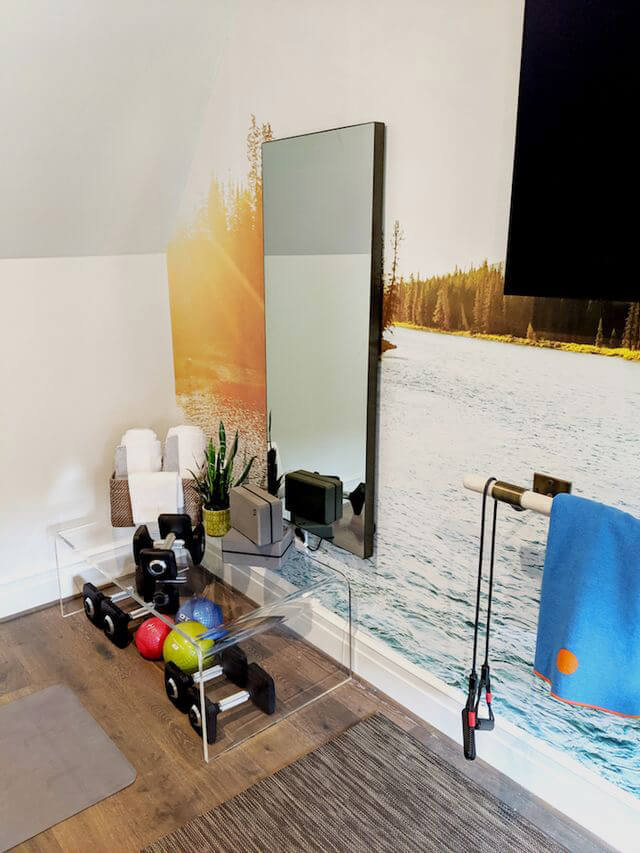
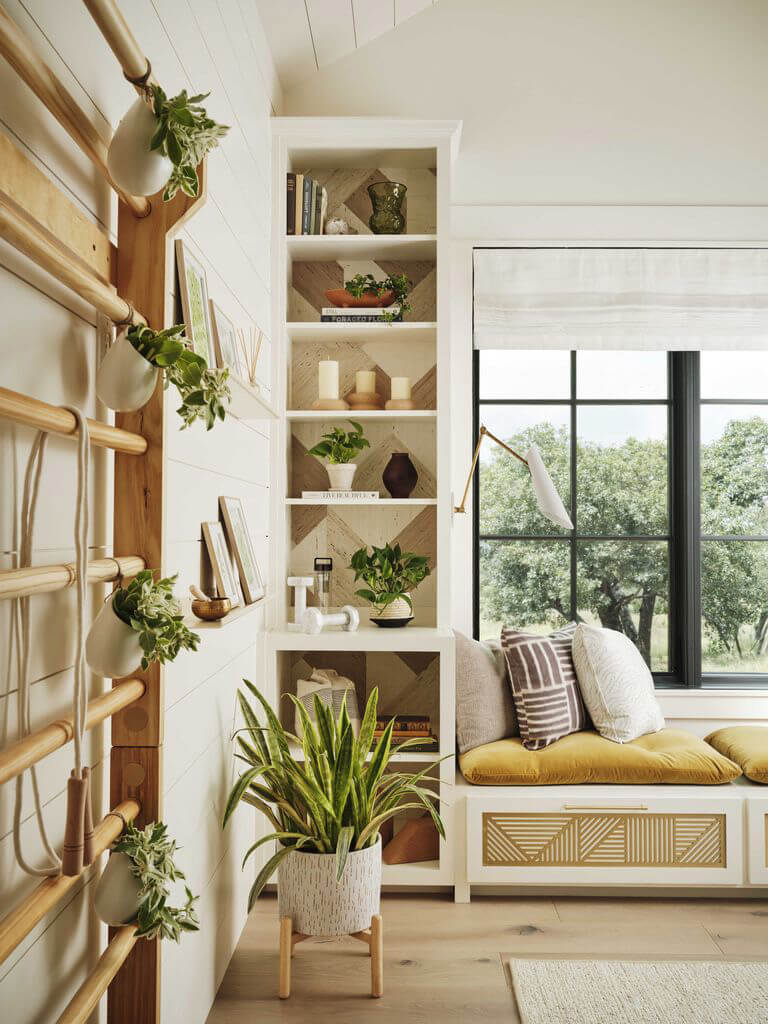
If the summer heat is making outdoor exercise unbearable, look for flex spaces in your living environment that can be used for exercise. Wall yoga and Pilates practices, compact stationary bikes, smart fitness mirrors and other gym equipment create convenient alternatives that work indoors – especially in tight spaces. Other alternatives to stay fit while beating the heat include community recreation centers and indoor pools.
WWYW Preferred Vendor: NordicTrack


Community Engagement
COGNITIVE BOOST. Summer is the perfect time to boost your mental wellness by connecting with your community and nature. Look for music and art festivals and team sports leagues in your area for opportunities to engage in social interactions; socializing plays a key role in supporting and improving mental wellbeing. Studies show engaging with others can boost mood and self-esteem, reduce stress and anxiety and combat feelings of loneliness and isolation. Supportive friends, families, co-workers and teammates provide a sense of belonging and security that makes it easier to cope with challenging situations.
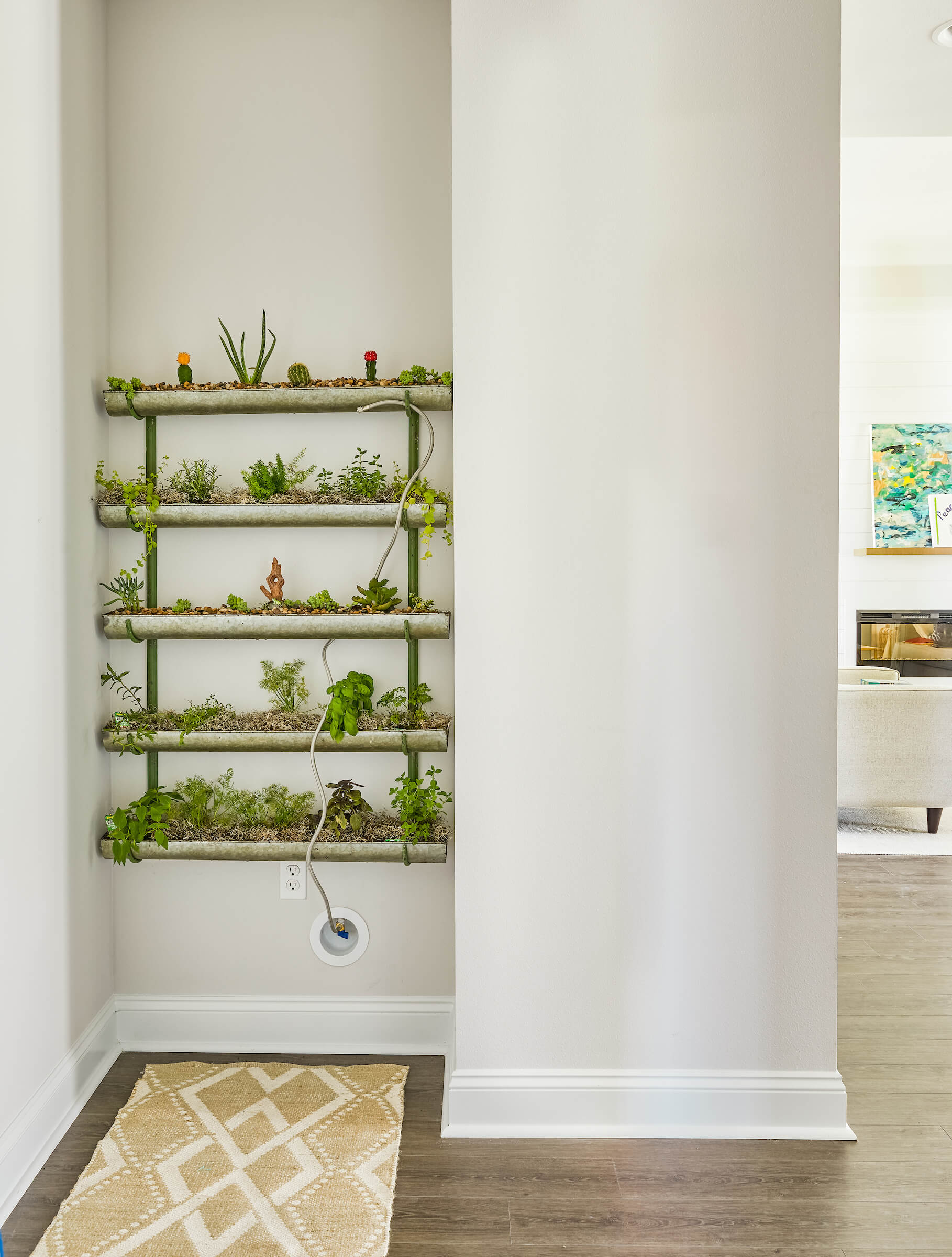
Likewise, biophilic design within living environments and walks in nature promote mental wellbeing. Biophilic design incorporates natural elements into built environments – summer projects may include adding a living wall or water feature to your indoor living environment or outdoor gathering spot.
Community gardens, trails and parks are perfect for summertime recreation, picnics and more. Connecting with nature fosters a sense of calm and tranquility.
WWYW Preferred Resource: Biophilic Institute


Unplug and Reset
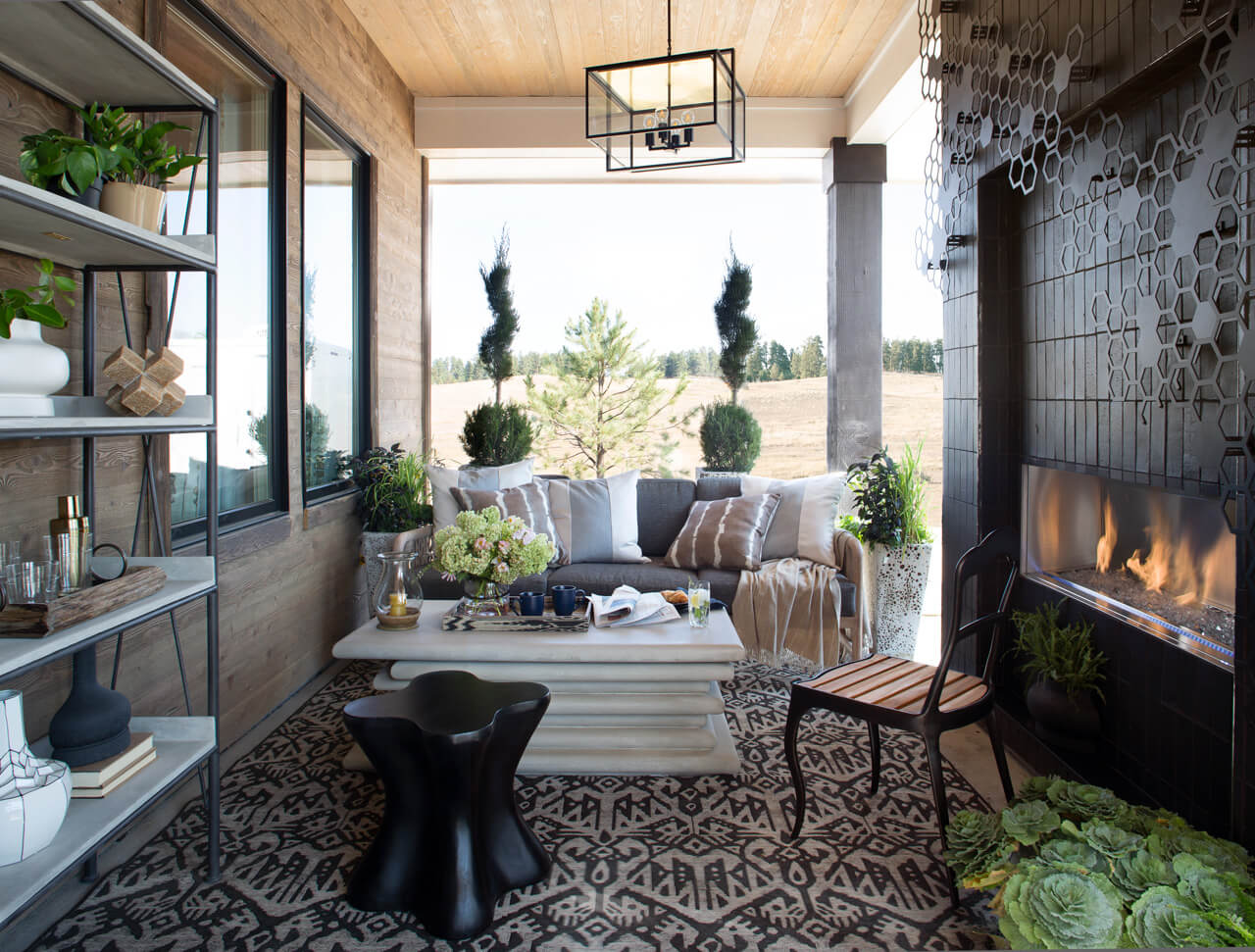
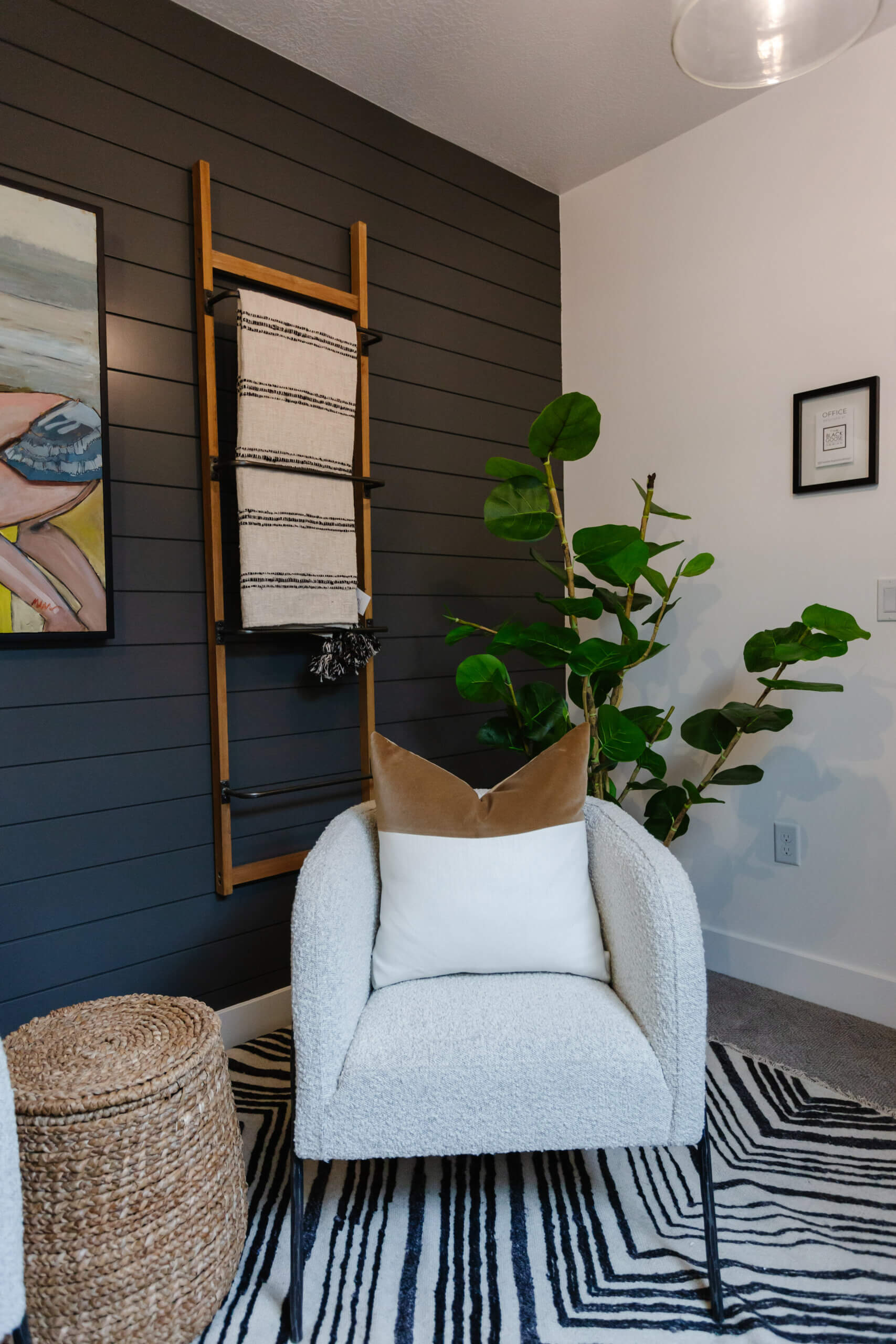
CREATE A COCOON. When it’s too hot to enjoy the outdoors, find a quiet space inside to unplug. If your living environment does not have a dedicated room for unplugging, it’s easy to designate a space where you can go and leave behind computers, tablets, phones, watches and TVs. Soft upholstery, pillows, throws and area rugs contribute to creating an inviting spot for reading, journaling and meditating.
Studies show that spiritual practices like meditation help lower stress levels and improve mood. In general, spirituality provides you with tools to cope and navigate difficult situations; you become more resilient and exhibit higher levels of purpose, meaning and hope.
WWYW Preferred Vendor: Lovesac – Designed for Life

Foster a Thriving Garden Ecosystem
REGENERATIVE AGRICULTURE. Conscious consumption goes way beyond recycling. Take time to develop a waste minimization plan for your living environment, starting with composting, which contributes to regenerative agriculture.
While fresh produce is at its peak, research different methods of composting food waste and determine your preferred method. Door-to-door composting services, community composting sites and personal, electronic composters all offer easy and convenient alternatives to keep food waste out of the landfill.
Did you know that food waste is one of the largest contributors to methane in our atmosphere? Food waste is buried in landfills and decomposes anaerobically (without being exposed to oxygen), generating the potent greenhouse gas, methane, which is stronger than carbon dioxide. Composting decomposes organic matter aerobically, creating rich organic matter for gardening.
WWYW Preferred Resource: Kiss the Ground


Attract Pollinators
ELIMINATE HARMFUL PESTICIDES. This is the ideal season to assess your built environment’s landscaping and create a plan to add pollinator-friendly plants. These plants play a crucial role in the reproduction of many flowering plants, including most food crops such as fruits, vegetables and nuts, and they attract pollinators (bees, butterflies, beetles and birds). Pollinators are a vital part of a healthy ecosystem. Select plants native to your region, as they will be adapted to the local climate, as well as local pollinators.
Think about eco-friendly mosquito control. Eliminate breeding grounds, including standing water, and use targeted, non-toxic methods like BTI, a natural bacterium larvicide. Avoid broad-spectrum insecticides, which harm beneficial insects like pollinators as well as humans. Plant mosquito-repelling foliage like lavender, marigolds and bee balm.
WWYW Preferred Resource: Captain Planet Foundation


The Greatest Impact
STRATEGIES FOR YOUR HEALTH. Studies show that one of the most effective ways to positively impact your health within your living environment is to adopt healthier behavioral strategies. It’s fairly common knowledge, especially since COVID, that people spend a lot of their time indoors – approximately 90 percent. Developing healthier strategies for the built environment is vital to decreasing chronic disease and healthcare costs.
Many of today’s built environments are constructed to higher, energy-efficient standards that result in tighter envelopes, meaning that there is little “natural” ventilation due to leaks around windows and doors or poor insulation. Many living environments no longer have operable windows with screens. This results in two important factors to maintain indoor air quality: proper mechanical ventilation and off-gassing strategies. Occupants should analyze products brought into their living environments and determine if the products are off-gassing or releasing harmful chemicals.
What’s in your living environment?
Emerging Technology
algaenite
CREATING NON-TOXIC CHEMICALS WITH SUNLIGHT. Algaenite is thinking outside the box to produce a bio-based ammonia from the air by employing sunlight. The non-toxic, bio-based ammonia will replace the massive amounts of synthetic ammonia that are used worldwide. The company’s vision is to make an impact within the chemical industry by utilizing microalgae to provide bio-nitrogen to the world, for the wellbeing of all. Cutting-edge bio-technology and innovative science with applications in a number of areas, such as fertilizers, plant-based proteins, cosmetics and bioplastics, will generate replacement products that are not harmful to the environment and help create a better future for our planet and our children.